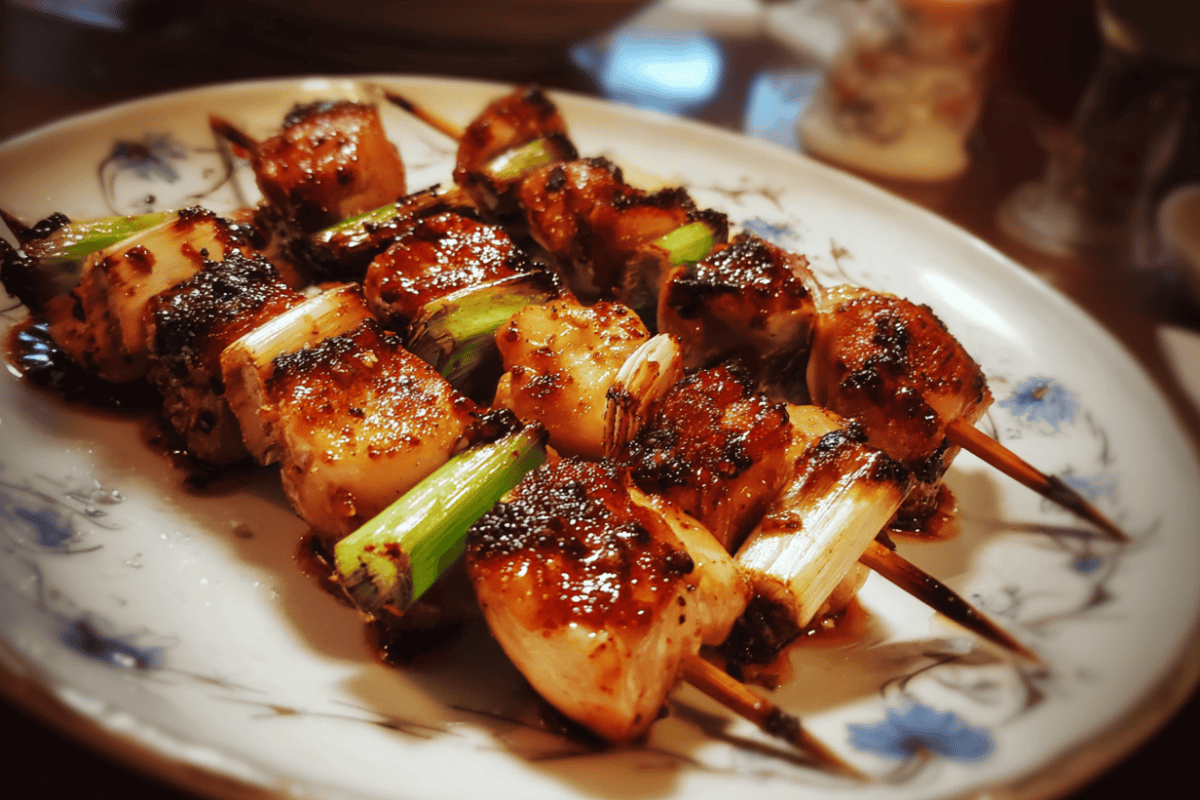
If there’s a single dish that truly embodies the soul of Japanese street food, Japanese chicken yakitori is it. Juicy, smoky, and incredibly flavorful, yakitori shows that the best dishes often come from simplicity. Picture perfectly grilled pieces of chicken, lightly charred and finished with a shiny glaze that balances sweet, salty, and savory flavors in every bite. Tempting, isn’t it? Let’s explore what makes this beloved classic so special and how you can easily recreate it in your own kitchen.
Table of Contents
Table of Contents
What Is Yakitori?
Meaning of Yakitori
Yakitori literally translates to “grilled chicken” in Japanese, with “yaki” meaning to grill and “tori” referring to chicken or bird. At its heart, yakitori is beautifully simple: small, bite-sized pieces of chicken are carefully threaded onto bamboo skewers and cooked over high heat. The intense heat sears the meat, locking in juices while creating a slightly charred, smoky exterior that is packed with flavor. This straightforward technique allows the natural taste of the chicken to shine, making yakitori a dish that is both humble and unforgettable, whether enjoyed as street food or in a cozy izakaya.
Print
Authentic Japanese Chicken Yakitori Recipe – Easy & Delicious Grilled Skewers
- Total Time: 30 minutes
- Yield: 4 servings
Description
Juicy and flavorful Japanese chicken yakitori grilled to perfection with sweet-savory tare sauce.
Ingredients
- Chicken thighs – 500g (cut into bite-sized pieces)
- Bamboo skewers – 8-10
- Soy sauce – 4 tbsp
- Mirin – 3 tbsp
- Sake – 2 tbsp
- Sugar – 2 tbsp
- Green onions – 2 (cut into 1-inch pieces, optional)
Instructions
- Soak bamboo skewers in water for 30 minutes.
- Cut chicken into bite-sized pieces and prep green onions.
- Thread chicken (and onions) onto skewers.
- Make tare sauce by simmering soy sauce, mirin, sake, and sugar until thickened.
- Grill skewers over medium-high heat, brushing with sauce until caramelized.
- Serve hot with side dishes or drinks.
Notes
- Use chicken thighs for juicier yakitori.
- Alternate meat with green onions for negima style.
- Soak skewers to prevent burning.
- Avoid over-brushing sauce to prevent burning.
- Can be cooked under a broiler if a grill isn’t available.
- Prep Time: 15 minutes
- Cook Time: 15 minutes
- Category: Main Course / Appetizer
- Method: Grilled / Broiled
- Cuisine: Japanese
Why Yakitori Is So Popular in Japan
Yakitori can be found all across Japan, from bustling street stalls and lively festival stands to cozy izakayas and even upscale restaurants. It’s quick, affordable, and packed with flavor. You could think of it as Japan’s take on barbecue, but with a refined, minimalist touch that highlights simplicity and quality.
A Brief History of Yakitori
Origins in Japanese Street Food Culture
Yakitori gained popularity after World War II, as meat consumption in Japan began to rise. Street vendors started grilling chicken over charcoal, offering an affordable, satisfying snack for workers on their way home.
Yakitori and Izakaya Dining
Over time, yakitori found a permanent home in izakayas. These casual Japanese pubs made yakitori a social food, meant to be shared with drinks and good conversation. Even today, yakitori and cold beer are a match made in heaven.
What Makes Authentic Japanese Chicken Yakitori Special
Simplicity and Balance
Yakitori isn’t about heavy marinades or bold spices. It’s about letting the chicken shine. Each element, from seasoning to grilling, is carefully balanced.
The Role of Fire and Charcoal
Authentic yakitori is traditionally grilled over charcoal, which adds a subtle smokiness you can’t fake.
Binchotan Charcoal Explained
Binchotan is a high-quality Japanese charcoal that burns clean and hot. It enhances flavor without overpowering the meat. While not required at home, it’s the gold standard in yakitori shops.
Ingredients for Japanese Chicken Yakitori
Essential Ingredients
- Chicken thighs or breast
- Bamboo skewers
- Soy sauce
- Mirin
- Sugar
- Sake
Optional Add-Ons and Variations
- Green onions
- Garlic
- Ginger
- Sesame seeds
Understanding Yakitori Cuts
Chicken Thigh (Momo)
Juicy, flavorful, and forgiving. This is the most popular cut for yakitori and perfect for beginners.
Chicken Breast (Mune)
Leaner and milder. When cooked carefully, it stays tender and absorbs sauce beautifully.
Skin, Liver, and Other Traditional Cuts
In Japan, yakitori uses every part of the chicken. Skin is crispy and rich, liver is creamy, and even cartilage has its fans.
Yakitori Sauce vs Salt
Tare Sauce Explained
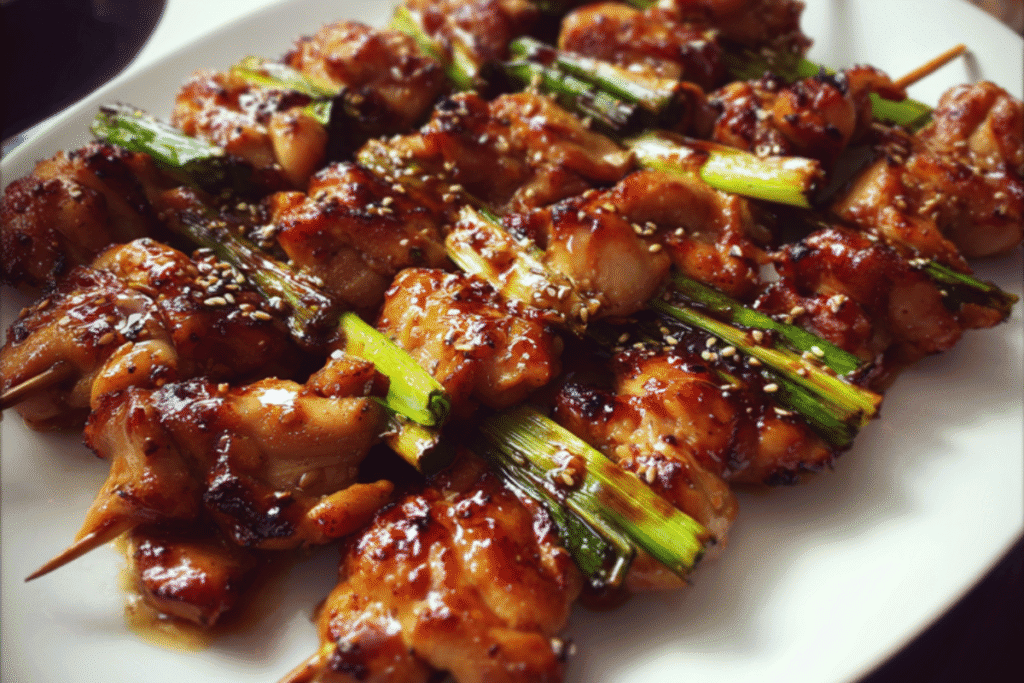
Tare is the classic yakitori glaze. It’s made by simmering soy sauce, mirin, sake, and sugar until thick and glossy. It caramelizes on the grill, creating that iconic shine.
Shio Style Yakitori
Shio yakitori is simply seasoned with salt. It’s clean, light, and lets the quality of the chicken take center stage.
How to Make Japanese Chicken Yakitori at Home
Preparation and Skewering
Cut chicken into even pieces so they cook uniformly. Alternate chicken with green onions for the classic negima style.
Cooking Methods
You don’t need a fancy grill to make great yakitori.
Grill Method
A charcoal or gas grill works best. High heat gives you that signature char.
Oven and Pan Alternatives
A broiler or grill pan can still deliver excellent results when outdoor grilling isn’t an option.
Step-by-Step Yakitori Recipe
Step 1: Prepare the Chicken
Cut the chicken into bite-sized chunks. Pat dry to ensure proper browning.
Step 2: Make the Yakitori Tare Sauce
Simmer soy sauce, mirin, sake, and sugar until slightly thickened. Let it cool.
Step 3: Skewer and Cook
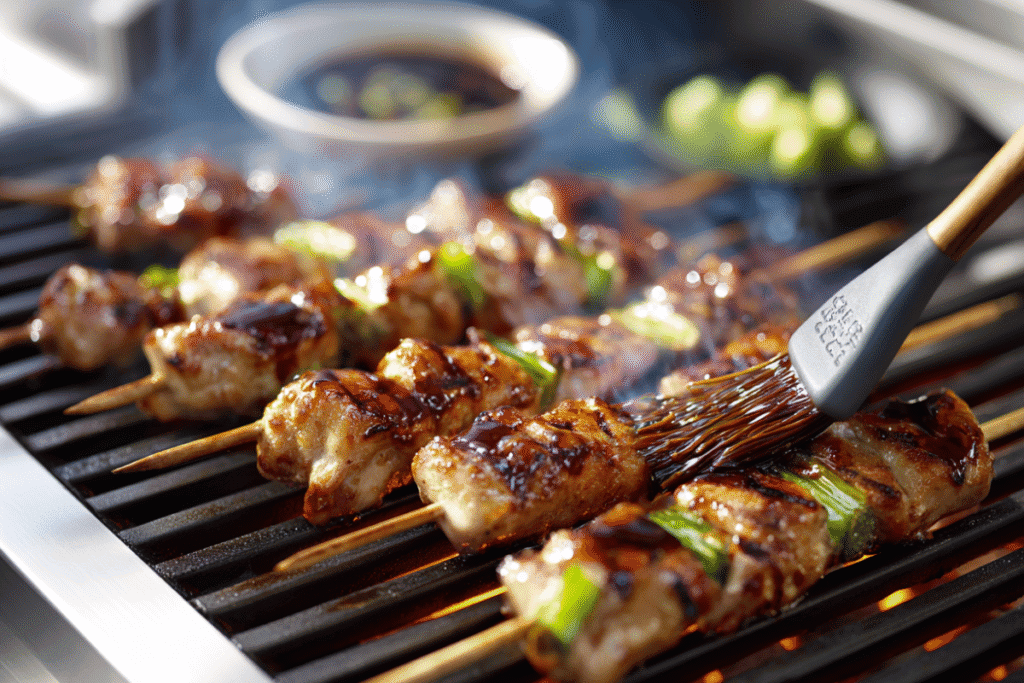
Thread chicken onto skewers. Grill over medium-high heat, turning frequently.
Step 4: Glazing and Finishing
Brush with tare sauce during the last few minutes of cooking. Allow it to caramelize without burning.
Tips for Perfect Yakitori Every Time
Avoid Common Mistakes
- Don’t overcrowd the grill
- Avoid constant flipping
- Don’t drown the chicken in sauce too early
Pro Chef Secrets
- Soak skewers to prevent burning
- Rest the chicken briefly after grilling
- Layer sauce gradually for depth of flavor
What to Serve with Chicken Yakitori
Traditional Japanese Side Dishes
- Steamed rice
- Cucumber salad
- Edamame
- Pickled vegetables
Drinks That Pair Well with Yakitori
- Japanese beer
- Sake
- Highballs
Yakitori Nutrition and Health Benefits
Protein and Calories
Yakitori is high in protein and relatively low in calories, especially when grilled without excess sauce.
Making Yakitori Healthier
Choose lean cuts, control the sauce, and pair with vegetables for a balanced meal.
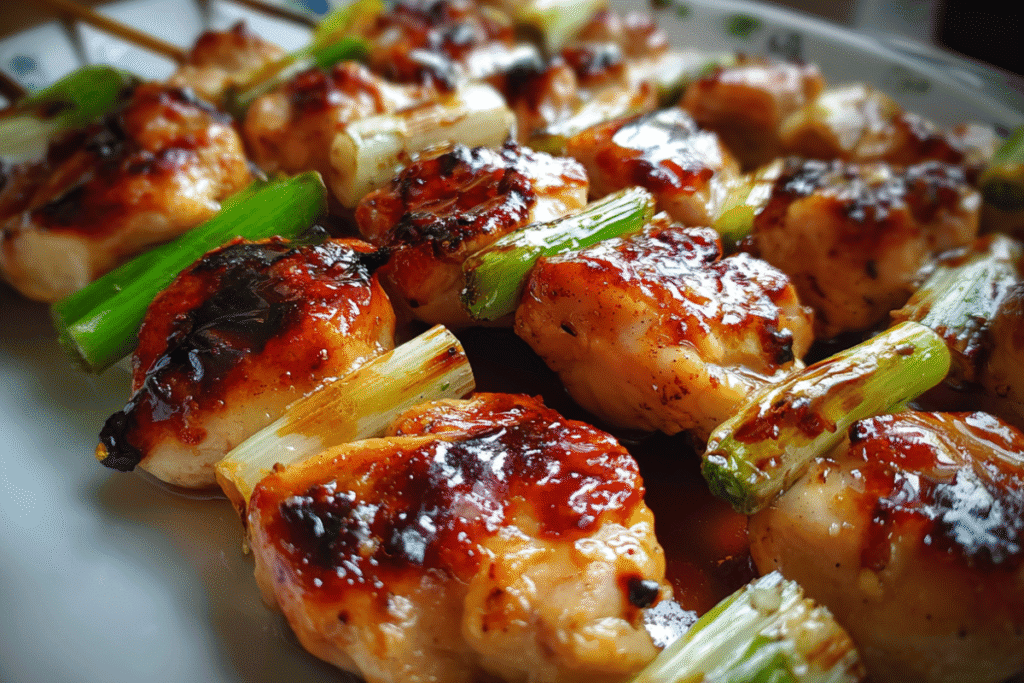
Yakitori Variations You Should Try
Negima Yakitori
Chicken and green onion skewers. The contrast of juicy meat and sweet onion is unbeatable.
Spicy and Modern Twists
Add chili flakes, yuzu kosho, or even a honey-soy glaze for a modern spin.
Conclusion
Japanese chicken yakitori is more than just grilled chicken. It’s a celebration of simplicity, balance, and technique. Whether you’re recreating a Tokyo street food vibe at home or just looking for a quick, flavorful meal, yakitori delivers every time. Once you master the basics, you’ll find endless ways to make it your own.
FAQs
1. Can I make yakitori without a grill?
Yes, a broiler or grill pan works well and still delivers great flavor.
2. What’s the best chicken cut for yakitori?
Chicken thighs are the juiciest and most forgiving option.
3. How long does yakitori sauce last?
Stored in the fridge, tare sauce can last up to two weeks.
4. Can I freeze cooked yakitori?
Yes, but it’s best enjoyed fresh. Reheat gently to avoid drying out.
5. Is yakitori gluten-free?
It can be if you use gluten-free soy sauce.