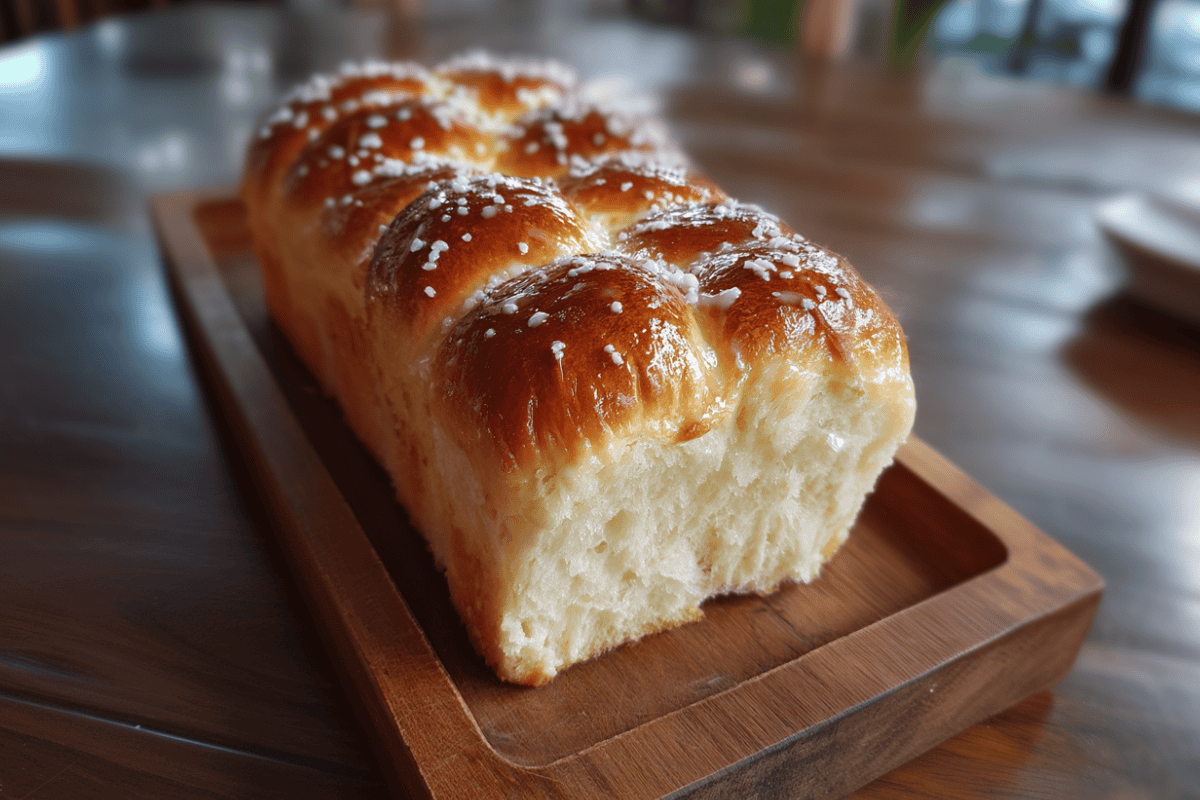
Soft, fluffy, and slightly sweet, milk bread is one of those comforting treats that feels like a warm hug in bread form. When you add condensed milk to the mix, the flavor reaches a whole new level of decadence. This article will guide you through the art of making soft milk bread with condensed milk from scratch, step by step. Whether you’re a beginner baker or an experienced home cook, this recipe will become your go-to for breakfast, snacks, or even dessert.
Table of Contents
Table of Contents
What is Soft Milk Bread?
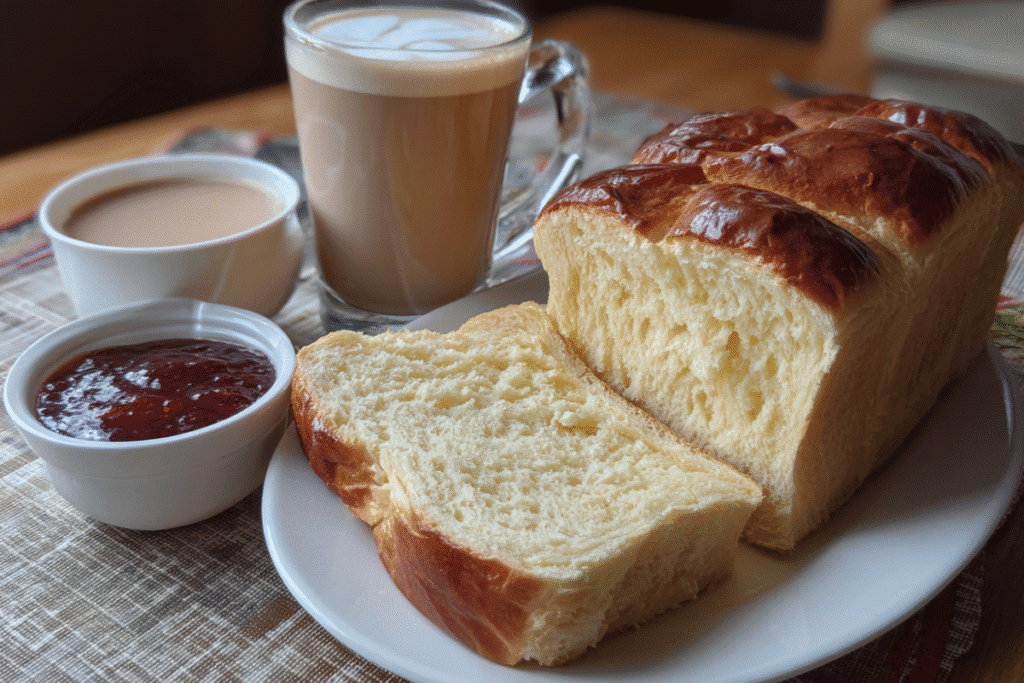
Soft milk bread, also known as Hokkaido milk bread, is a Japanese-style bread famous for its pillowy texture and slightly sweet taste. Unlike traditional breads, milk bread uses milk, butter, and sometimes sugar to create a soft, tender crumb. The result is bread that is airy yet rich, perfect for sandwiches, toasts, or simply enjoying plain.
Key Features of Milk Bread
- Ultra-soft and fluffy texture
- Slightly sweet flavor
- Moist crumb that stays fresh longer
- Versatile for sweet or savory toppings
Soft Milk Bread with Condensed Milk: A Homemade Delight
- Total Time: 2–3 hours (including proofing)
- Yield: 1 loaf (or 8–10 rolls)
- Diet: Vegetarian
Description
Fluffy, soft milk bread made with sweet condensed milk – perfect for breakfast, snacks, or sandwiches.
Ingredients
- All-purpose flour – 3 ½ cups (420g)
- Sugar – ¼ cup (50g)
- Salt – 1 tsp
- Instant yeast – 2 tsp
- Warm milk – ½ cup (120ml)
- Unsalted butter (softened) – ¼ cup (60g)
- Condensed milk – ½ cup (120g)
- Large egg – 1
- Warm water – ¼ cup (60ml)
- Optional: milk or egg wash – 1 tbsp
Instructions
- Activate yeast in warm milk and water.
- Mix flour, sugar, salt, yeast mixture, condensed milk, and egg to form dough.
- Knead dough 10–15 minutes, gradually adding butter until smooth.
- Let dough rise until doubled (1–2 hours).
- Punch down and shape into loaf or rolls.
- Proof again 45–60 minutes.
- Brush with milk or egg wash, bake at 350°F (175°C) for 25–30 minutes.
- Cool before slicing.
Notes
- Use bread flour for extra softness.
- Proof dough in a warm, draft-free area.
- Brush with butter after baking for a glossy finish.
- Can be shaped into rolls or loaves.
- Store in an airtight container at room temperature for up to 3 days.
- Prep Time: 20 minutes
- Cook Time: 25–30 minutes
- Category: Breakfast, Snack, Dessert
- Method: Baking
- Cuisine: Japanese-inspired, Homemade
Why Add Condensed Milk?
Condensed milk is a game-changer when it comes to milk bread. Here’s why:
- Enhanced Sweetness: Condensed milk is already sweetened, giving the bread a subtle caramelized flavor without adding extra sugar.
- Extra Softness: The milk solids in condensed milk enrich the dough, making it tender and moist.
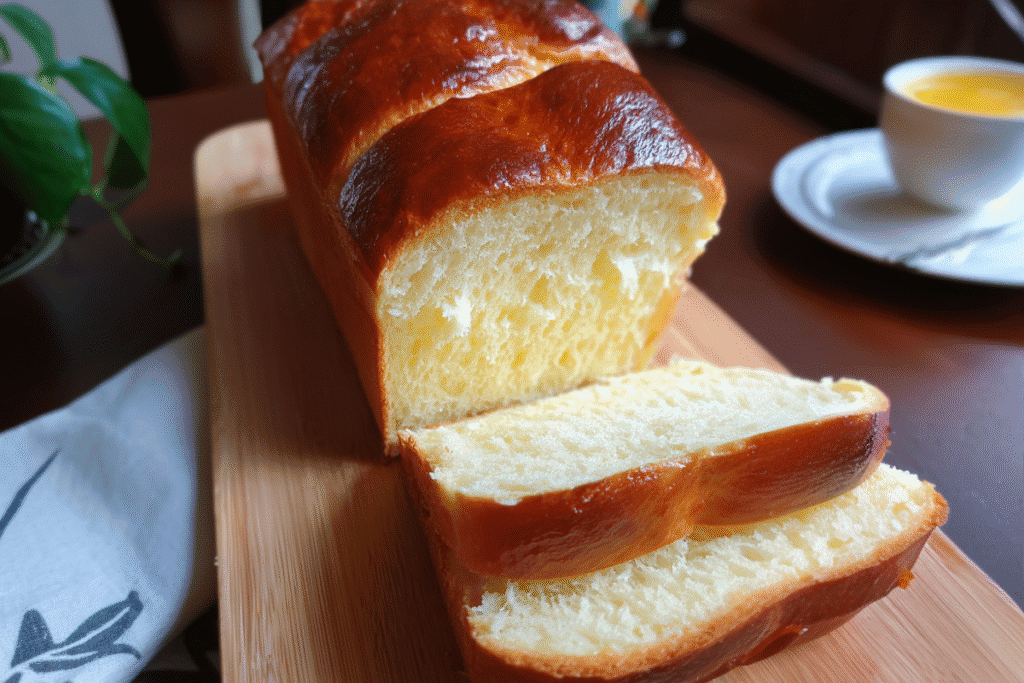
- Golden Crust: During baking, condensed milk helps achieve a lightly golden, slightly glossy crust.
Ingredients You’ll Need
Before you start, make sure you have these fresh ingredients:
- 3 ½ cups (420g) all-purpose flour
- ¼ cup (50g) sugar
- 1 tsp salt
- 2 tsp instant yeast
- ½ cup (120ml) warm milk
- ¼ cup (60g) unsalted butter, softened
- ½ cup (120g) condensed milk
- 1 large egg
- ¼ cup (60ml) warm water
Optional for brushing:
- 1 tbsp milk or egg wash for a shiny crust
Equipment Required
You don’t need fancy tools, just some kitchen basics:
- Large mixing bowl
- Measuring cups and spoons
- Wooden spoon or spatula
- Stand mixer with dough hook (optional)
- Clean kitchen towel
- Loaf pan or baking tray
- Oven
Step-by-Step Recipe Instructions
1. Preparing the Yeast
- Combine warm water and warm milk in a small bowl.
- Sprinkle the yeast over the liquid and let it sit for 5–10 minutes until frothy.
- This ensures your yeast is active and ready to make the dough rise.
2. Mixing the Dough
- In a large mixing bowl, combine flour, sugar, and salt.
- Add the frothy yeast mixture, condensed milk, and egg.
- Mix until it forms a rough dough.
3. Kneading the Dough
- Knead by hand for 10–15 minutes or with a stand mixer for 8 minutes.
- Add softened butter gradually, kneading until smooth and elastic.
- The dough should be slightly sticky but not clingy to your fingers.
4. First Proofing
- Place the dough in a lightly greased bowl.
- Cover with a clean towel or plastic wrap.
- Let it rise in a warm place for 1–2 hours or until doubled in size.
5. Shaping the Dough
- Punch down the dough to remove air bubbles.
- Divide it into 3–4 equal portions.
- Roll each portion into a smooth ball or log and place them in a greased loaf pan.
6. Second Proofing
- Cover the loaf pan with a towel and let the dough rise for 45–60 minutes.
- The dough should nearly double in size and gently touch each other in the pan.
7. Baking the Bread
- Preheat oven to 350°F (175°C).
- Optional: Brush the dough with milk or egg wash for a golden crust.
- Bake for 25–30 minutes or until golden brown.
- Remove from oven and let cool in the pan for 10 minutes before transferring to a wire rack.
Tips for the Softest Milk Bread
- Use bread flour for extra elasticity and fluffiness.
- Don’t over-knead, which can make the bread tough.
- Proof the dough in a warm, draft-free area for better rising.
- Adding a little honey along with condensed milk enhances sweetness and tenderness.
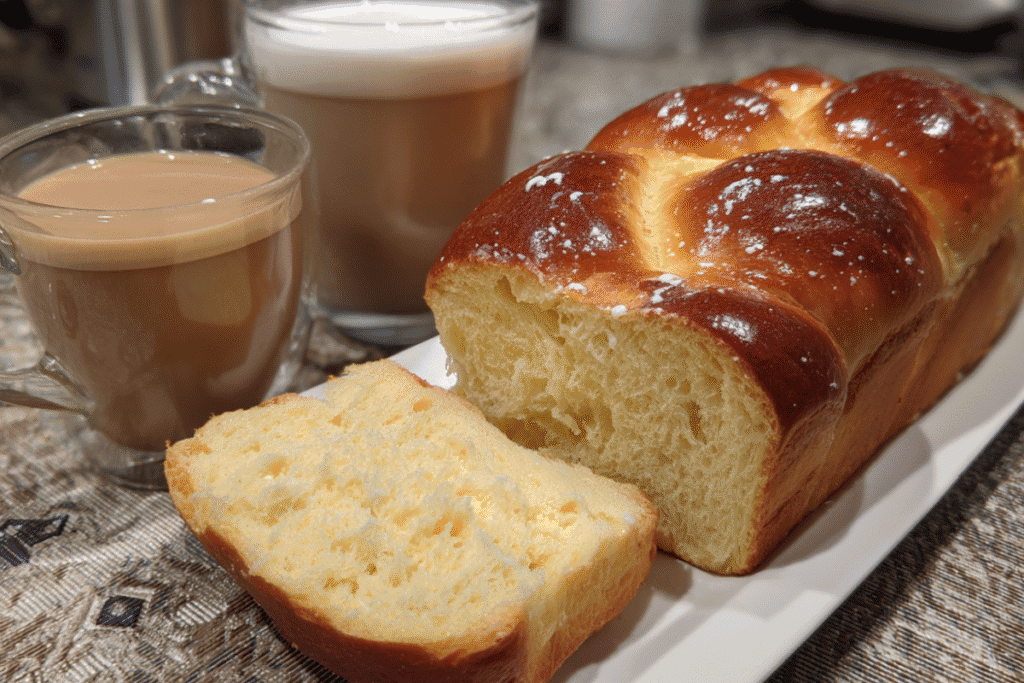
- Brush the crust with butter after baking for a soft, glossy finish.
Variations to Try
Milk bread is versatile. Here are some ways to mix it up:
- Chocolate Milk Bread: Add cocoa powder and chocolate chips.
- Matcha Milk Bread: Incorporate 1–2 tsp matcha powder for a green tea twist.
- Fruit-Filled Bread: Fold in raisins, cranberries, or chopped nuts.
- Savory Milk Bread: Skip extra sugar and add cheese, herbs, or garlic for sandwiches.
How to Store Milk Bread
Proper storage keeps your bread soft and fresh:
- Room Temperature: Keep in an airtight container or resealable bag for up to 3 days.
- Refrigeration: Not recommended as it dries out the bread faster.
- Freezing: Wrap tightly in plastic wrap and foil; lasts up to 1 month.
Reheating and Serving Suggestions
- Reheat in Oven: 5–7 minutes at 350°F for fresh-out-of-oven texture.
- Toast for Breakfast: Perfect for jam, honey, or peanut butter.
- Sandwiches: Ideal for both sweet and savory fillings.
- French Toast: Makes an ultra-soft, custardy French toast.
Common Mistakes and How to Avoid Them
- Dough Too Sticky: Add flour gradually until manageable.
- Bread Not Rising: Check yeast freshness and water temperature.
- Crust Too Hard: Brush with butter immediately after baking.
- Dense Texture: Ensure proper kneading and proofing time.
Health Benefits and Considerations
While milk bread is a treat, it offers some nutritional benefits:
- Protein: From milk and eggs.
- Calcium: Milk and condensed milk contribute to bone health.
- Energy: Provides a quick energy boost from carbohydrates and sugar.
Moderation is key due to sugar content, especially with condensed milk. For a healthier version, use low-fat milk or reduce sugar slightly.
Conclusion
Soft milk bread with condensed milk is the ultimate homemade comfort food. Its tender crumb, sweet flavor, and buttery aroma make it irresistible for breakfast, snacks, or dessert. By following this guide, you can bake bakery-style bread right at home, impress your family, and satisfy your cravings. Whether you enjoy it plain, toasted, or stuffed with fillings, this milk bread is a crowd-pleaser that never disappoints.
FAQs
1. Can I use regular milk instead of condensed milk?
Yes, but condensed milk adds sweetness and softness. If using regular milk, consider adding sugar and adjusting liquid content.
2. How long does milk bread stay fresh?
At room temperature, 2–3 days in an airtight container. Freezing can extend freshness up to a month.
3. Can I make this bread without a stand mixer?
Absolutely! Knead by hand for 10–15 minutes until smooth and elastic.
4. Why is my milk bread dense?
Possible reasons include under-kneading, using old yeast, or insufficient proofing.
5. Can I make mini milk bread rolls?
Yes! Shape smaller portions into rolls and bake for 15–20 minutes until golden brown.